A water heater is one of the most important appliances in your home, providing hot water for showers, washing dishes, laundry, and other everyday tasks. But like any appliance, a water heater eventually wears out. So, how long can you expect yours to last?
Average Water Heater Lifespan
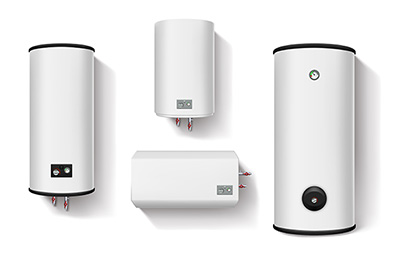
A traditional tank-style water heater typically lasts 8 to 12 years. With proper maintenance, some units may last even longer. Tankless water heaters generally have a longer lifespan and can last 15 to 20 years or more when properly maintained.
Several factors can affect how long a water heater lasts, including the quality of the unit, water quality, usage, installation, and regular maintenance.
Signs Your Water Heater May Need Replacement
Age isn’t the only indication that your water heater is nearing the end of its useful life. Watch for signs such as:
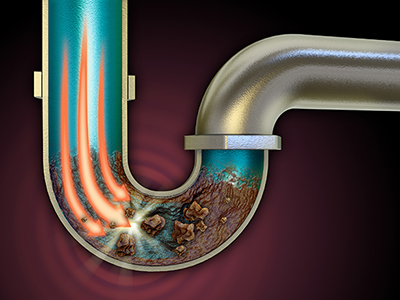
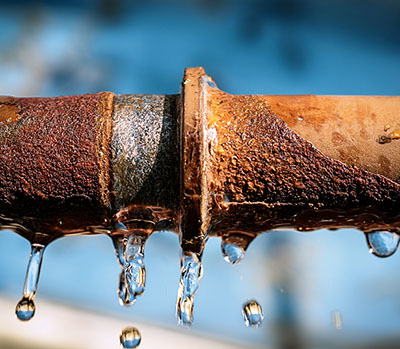
- Rust-colored or cloudy hot water
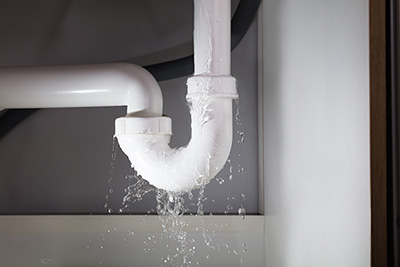
- Water leaking around the tank
- Strange popping, banging, or rumbling noises
- Not enough hot water
- Water that doesn’t get as hot as it used to
- Higher energy or utility bills
- Frequent repairs
A leaking tank is particularly important because a tank that has developed significant corrosion generally needs to be replaced rather than repaired.
Can You Make Your Water Heater Last Longer?
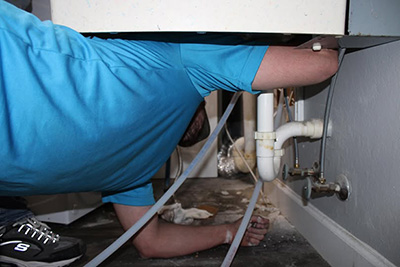
Regular maintenance can help extend the life of your water heater. Depending on the type of system, maintenance may include flushing sediment from the tank, checking the pressure relief valve, inspecting connections, and having the system professionally serviced.
If your water heater is approaching 10 years old, it can also be worthwhile to have a plumber inspect it and discuss your replacement options before an unexpected failure leaves you without hot water.
When Should You Replace Your Water Heater?
If your water heater is old, frequently needs repairs, or is showing signs of corrosion or leaking, replacement may be more practical than continuing to repair it. A professional plumber can evaluate the condition of your current system and help you choose a water heater that fits your home’s hot-water needs and budget.
If you’re experiencing problems with your water heater, don’t wait until it completely fails. Contact a qualified plumber for an inspection and find out whether repair or replacement is the best solution.
Just Plumbing By Sam provides plumbing services in St Petersburg and the surrounding area.
For more information, visit our website, https://justplumbingbysam.com/ or call (727) 320-4933.