
Your water heater is one of the most important — and often overlooked — appliances in your home. It works quietly in the background every day, providing hot water for showers, laundry, dishes, and more. But like any appliance, it doesn’t last forever. Knowing how long water heaters typically last can help you plan for replacement before an unexpected breakdown leaves you without hot water.
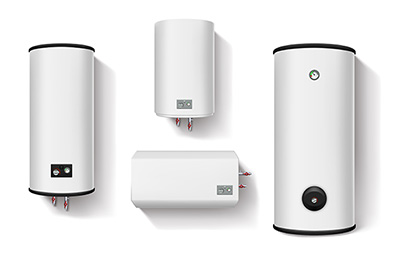
Average Lifespan of a Water Heater
Most traditional tank-style water heaters last between 8 and 12 years. Tankless water heaters, on the other hand, often last 15 to 20 years or more when properly maintained. However, these numbers are averages — actual lifespan depends on several factors including maintenance, water quality, usage, and installation quality.
If you’re unsure how old your water heater is, check the manufacturer’s label. The serial number usually includes the manufacture date.
Factors That Affect Water Heater Longevity
1. Type of Water Heater
Tank water heaters store and constantly heat water, which puts ongoing stress on the tank. Over time, this leads to corrosion and sediment buildup. Tankless units heat water on demand, reducing wear and tear and typically extending lifespan.
2. Water Quality
Homes with hard water often experience faster sediment buildup inside the tank. This sediment can reduce efficiency and cause the heater to work harder, shortening its lifespan if not flushed regularly.
3. Maintenance
Routine maintenance plays a huge role in how long your water heater lasts. Flushing the tank once a year removes sediment, improves efficiency, and helps prevent premature failure. Checking the anode rod — which protects the tank from rust — can also add years to your unit’s life.
4. Installation Quality
Improper installation can lead to pressure issues, poor venting, or inefficient operation. A professionally installed water heater is more likely to operate safely and last longer.
5. Usage Demand
Large households that use hot water frequently may put more strain on the system than smaller households, potentially reducing lifespan.
Signs Your Water Heater Is Near the End
Even if your water heater hasn’t reached the 10–12 year mark, there are warning signs that replacement may be approaching:
-
Rust-colored or cloudy water
-
Inconsistent water temperature
-
Rumbling or popping noises from the tank
-
Water pooling around the base
-
Hot water running out quickly
-
Rising energy bills
Ignoring these signs can lead to leaks or sudden failure, which may cause water damage and higher repair costs.
Repair vs. Replacement: When Is It Time?
If your water heater is under 8 years old, repairs are often worth considering. However, if it’s over 10 years old and experiencing frequent issues, replacement is usually the smarter investment. Newer models are more energy-efficient, provide better performance, and come with updated safety features.
Upgrading before a total failure also gives you time to choose the right system for your home rather than rushing into an emergency replacement.
How to Extend the Life of Your Water Heater
To get the most out of your water heater:
-
Schedule annual maintenance and tank flushing
-
Check the anode rod every few years
-
Set the thermostat to around 120°F to reduce strain
-
Address minor issues early before they become major problems
Final Thoughts
Water heaters don’t last forever, but with proper care and attention, you can maximize their lifespan and avoid unexpected breakdowns. If your unit is approaching the end of its expected life or showing signs of trouble, consulting a licensed plumber can help you decide whether repair or replacement is the best option.
Staying proactive not only ensures reliable hot water — it can also save you money and stress in the long run.
Just Plumbing By Sam provides plumbing services in St Petersburg and the surrounding area.
For more information, visit our website, https://justplumbingbysam.com/ or call (727) 320-4933.