Things You Should Never Flush Down a Toilet

Ah, the convenience of modern plumbing! The flush of a toilet whisking away our waste and troubles. But wait, not everything should take that swirling plunge. As tempting as it might be to use the toilet as a convenient disposal unit, there’s a list of items that should never meet the watery depths.

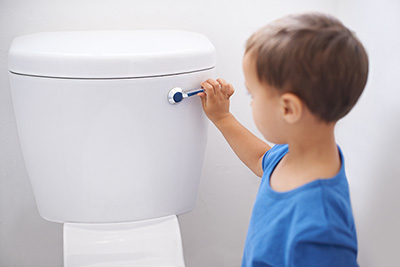
kid flushing

In this blog, we’ll dive into the importance of knowing what not to flush down a toilet and explore the potential consequences of ignoring these guidelines.

1. Non-Biodegradable Products

First on the list are non-biodegradable products. These are materials that do not break down easily in water. Items like plastic wrappers, feminine hygiene products, and baby wipes might seem small, but they can accumulate and create blockages in the pipes, causing backups and clogs. Always remember: if it doesn’t dissolve, it shouldn’t go down the toilet.

2. Prescription Medications

Flushing prescription medications down the toilet might seem like a way to dispose of them, but it’s a practice that should be avoided. These medications can find their way into water systems, affecting aquatic life and potentially contaminating drinking water. Many pharmacies and local law enforcement agencies offer drug take-back programs as a safer alternative for proper medication disposal.

3. Grease and Cooking Oils

Grease and cooking oils are notorious for clogging up pipes over time. When these substances cool down, they solidify and can stick to the inner walls of pipes, causing blockages that are both costly and unpleasant to deal with. Instead of pouring them down the drain, consider letting them solidify in a container and then disposing of them in the trash.

4. Cotton Balls and Swabs

Although seemingly harmless, cotton balls and swabs can easily clump together in pipes and create obstructions. These items don’t break down as quickly as toilet paper, and they can lead to costly plumbing issues.

5. Dental Floss and Hair

Dental floss and hair are two other culprits that should never be flushed. They are both long and stringy, which makes them prone to tangling and causing blockages. While a single strand might not seem like a problem, over time, they can accumulate and create a barrier in the pipes.

6. Paper Towels and Napkins

Toilet paper is specifically designed to break down when wet, making it suitable for flushing. However, paper towels and napkins are made to be more durable and can resist disintegration in water. Flushing these down the toilet can lead to clogs and backups.

7. Condoms

Condoms are made to be durable and resistant to breaking, which means they won’t easily disintegrate in water. Flushing condoms can result in clogs and damage to sewage systems.

8. Kitty Litter

Flushing kitty litter down the toilet can introduce non-biodegradable material and potentially harmful substances into the water system. Kitty litter often contains clay and chemicals that can be detrimental to aquatic environments.

Conclusion

It’s easy to take the convenience of modern plumbing for granted, but responsible usage is crucial to prevent avoidable problems. Knowing what not to flush down a toilet can save you from expensive plumbing repairs, environmental damage, and potential health hazards. When in doubt, the general rule of thumb is to stick to flushing only toilet paper and human waste. By making mindful choices about what goes down the toilet, you’re not just protecting your plumbing; you’re also doing your part to preserve the environment and public health.

Just Plumbing By Sam provides plumbing services in St Petersburg and the surrounding area.

For more information, visit our website, https://justplumbingbysam.com/ or call (727) 320-4933.
Removing Rust Stains from Toilets

Rust stains can be quite stubborn, but with the right techniques, you can get your toilet looking clean and shiny again in no time.

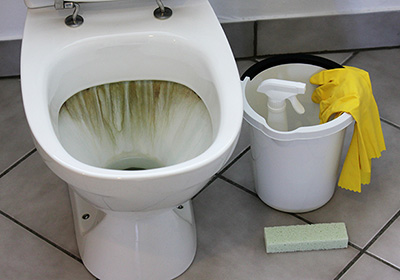
Toilet stains

Firstly, it’s important to understand what causes rust stains in toilets. Rust is typically caused by the presence of iron in the water supply. When this iron comes into contact with the porcelain surface of the toilet, it can leave behind unsightly stains

To start removing rust stains, you’ll need a few basic supplies. These include a toilet brush, white vinegar, baking soda, lemon juice, and a pumice stone. It’s important to note that you should never use harsh chemicals or abrasive cleaners on your toilet, as they can damage the porcelain.

Here’s a step-by-step guide to removing rust stains from your toilet:

1. Start by pouring a generous amount of white vinegar into the toilet bowl. Let it sit for a few hours or overnight to allow the vinegar to break down the rust stains.

2. After the vinegar has had time to work its magic, use a toilet brush to scrub the stains. The acidity of the vinegar should help loosen the rust and make it easier to remove.

3. If the stains are still stubborn, you can create a paste using baking soda and lemon juice. Apply the paste to the rust stains and let it sit for a few minutes. Then, scrub the stains with the toilet brush.

4. For more stubborn rust stains, you can use a pumice stone. Wet the stone and gently rub it over the stains. Be careful not to apply too much pressure, as this can scratch the porcelain. Rinse the toilet thoroughly after using the pumice stone.

5. Once you’ve removed the rust stains, give your toilet a final clean with a mild toilet cleaner or a mixture of vinegar and water. This will help remove any remaining residue and leave your toilet looking fresh and clean.

Remember, prevention is key to avoiding future rust stains. Consider installing a water softener or using a rust stain remover product regularly to keep your toilet looking its best.

Just Plumbing By Sam provides plumbing services in St Petersburg and the surrounding area.

For more information, visit our website, https://justplumbingbysam.com/ or call (727) 320-4933.
Flushable Wipes are Not Flushable

Despite the “flushable” labels, these products should never be flushed because they will clog your toilet and the sewer system. The products do not breakdown and disperse in the sewer system which causes a risk of clogging your plumbing or causing damage to sewer infrastructure.

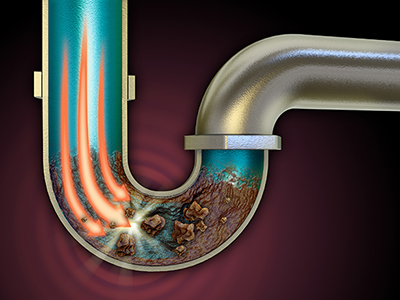
clogged drain

In a recent study, 101 single use wipes were tested, and not one of them passed a flushability test. Instead, the wipes failed to fall apart or disintegrate safely. 23 of those wipes tested were labeled “flushable” by the manufacturer. What this means is that cleansing wipes, diaper wipes and other types of single-use wipes, while convenient, should not be flushed. Despite the “flushable” labels, these products should never be flushed because they will clog your toilet and the sewer system. The products do not
breakdown and disperse in the sewer system which causes a risk of clogging your plumbing or causing damage to sewer infrastructure. The only things that should ever be flushed in a toilet are human waste and toilet paper. Single use wipes should be thrown in the trash. These everyday items can cause messy and expensive problems for the plumbing in your home or building. Just because it can be flushed, doesn’t mean you should flush it!

If you have a clogged drain, give Sam Booth a call. Just Plumbing By Sam provides plumbing services in St Petersburg and the surrounding area.

For more information, visit our website, https://justplumbingbysam.com/ or call (727) 320-4933.